How a complaint reaches the board and what gets screened out
It always starts with a phone call, letter, or online form from a homeowner. Some states still take walk-ins, but most route complaints through an online portal. A typical complaint describes poor workmanship, unfinished work, contract disputes, or property damage. The homeowner provides their version, with addresses, dates, and any documentation they already have. From there, the licensing board assigns the file a case number and sends it for screening.
Not every complaint makes it past this gate. Licensing boards look at jurisdiction first: Is the project residential? Did it happen in their state? Is the contractor licensed for that scope of work? Boards also screen for issues they cannot address. Complaints about commercial projects, personalities, or long-expired jobs are dismissed early. Payment disputes without a contract, or complaints about simple misunderstandings, may be referred to small claims court or ignored if they do not touch on workmanship or code.
If the complaint involves health or safety hazards, boards may move it to the fast lane. Otherwise, most files wait in a queue until an intake officer reviews them. The board then notifies the contractor and requests a formal response.
Keep reading: Rate Lock In and an Aging Housing Stock: Where Remodel Demand Goes
The letter the contractor receives and the response window
Every licensed contractor dreads the envelope with the board's seal. The first letter outlines the claim: who called it in, the specific jobsite, and the nature of the alleged violation. It will list the sections of state law or local code the board believes may be involved. Contractors typically have between 10 and 30 days to respond in writing. That deadline can be tight if records are missing or staff are busy on other jobs.
The board asks for a written statement. This is a critical step: vague answers or incomplete files create suspicion and make the process longer. Contractors must gather contracts, photos, and permits for the project in question. The board also wants proof of communication with the homeowner: emails, change order logs, and any written agreements about delays or materials.
Missing the response window, or sending a partial file, raises flags for investigators. Some states allow a short extension if the contractor calls before the deadline and provides a legitimate reason. Otherwise, the file moves forward with the homeowner's version as the default record.
Mediation and the industry expert site visit
When mediation is offered
Many boards encourage mediation first. This is not a legal trial but a structured meeting, sometimes by phone. The board assigns a mediator trained in construction issues. Both sides present their facts. The mediator looks for ways to resolve the problem quickly, often suggesting steps like minor repairs, refunds, or clear next steps. Mediation keeps files off the formal enforcement track, which benefits everyone when emotions run high but the dispute is small.
Expert site visits
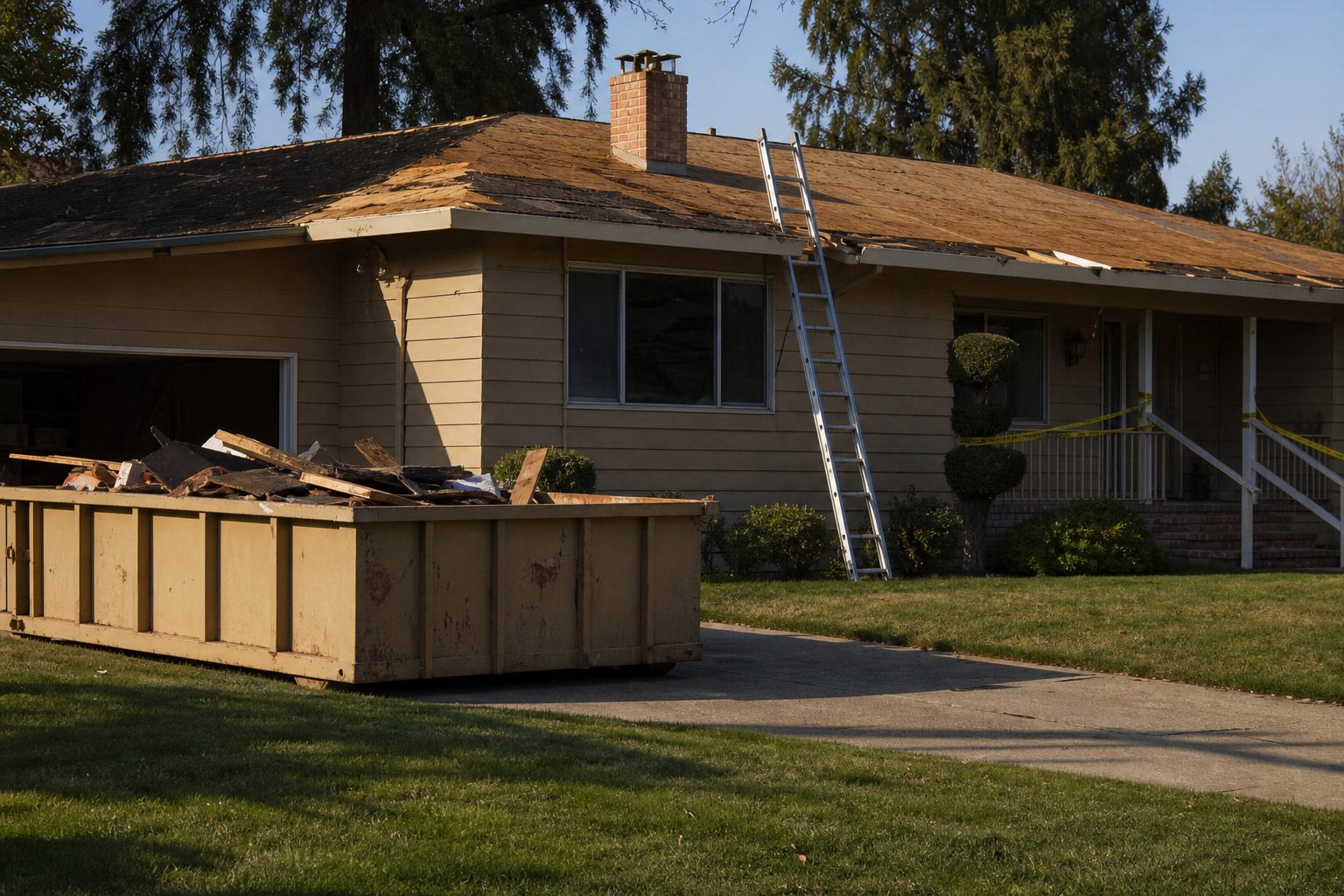
If the parties cannot agree or the facts are unclear, the board may send an industry expert to the jobsite. This person is usually a retired contractor with experience in the type of project at issue. They inspect the work in person and write a field report for the board. The report notes code violations, visible defects, and whether the work matches the contract and plans. The expert may take photos and ask both sides for their version of events. This visit often decides whether the complaint has merit or not.
Sometimes, the board uses the expert's report to propose a last round of settlement before opening a formal investigation. If no deal is reached and the expert finds violations, the file advances to the next stage, and the pressure increases for the contractor to document every step taken on the job.
Keep reading: The Pre Drywall Walkthrough Checklist for Remodel Crews
What investigators ask for: contract, permits, photos, payment history
Contract and scope of work
The first document investigators want is the signed contract. They look for required disclosures: license number, start and completion dates, payment terms, and a clear scope of work. Missing signatures or vague language about the project's scope can cause problems, especially if extra work was added but not documented.
Permits and inspections
Boards check for valid building permits. Investigators want copies showing the permit number, scope, and final inspection approval. If permits were never pulled, or inspections were skipped, that alone can justify a citation or order to correct. Some contractors run into trouble when a homeowner insists on skipping permits, but state boards put the responsibility on the license holder.
Photos and progress documentation
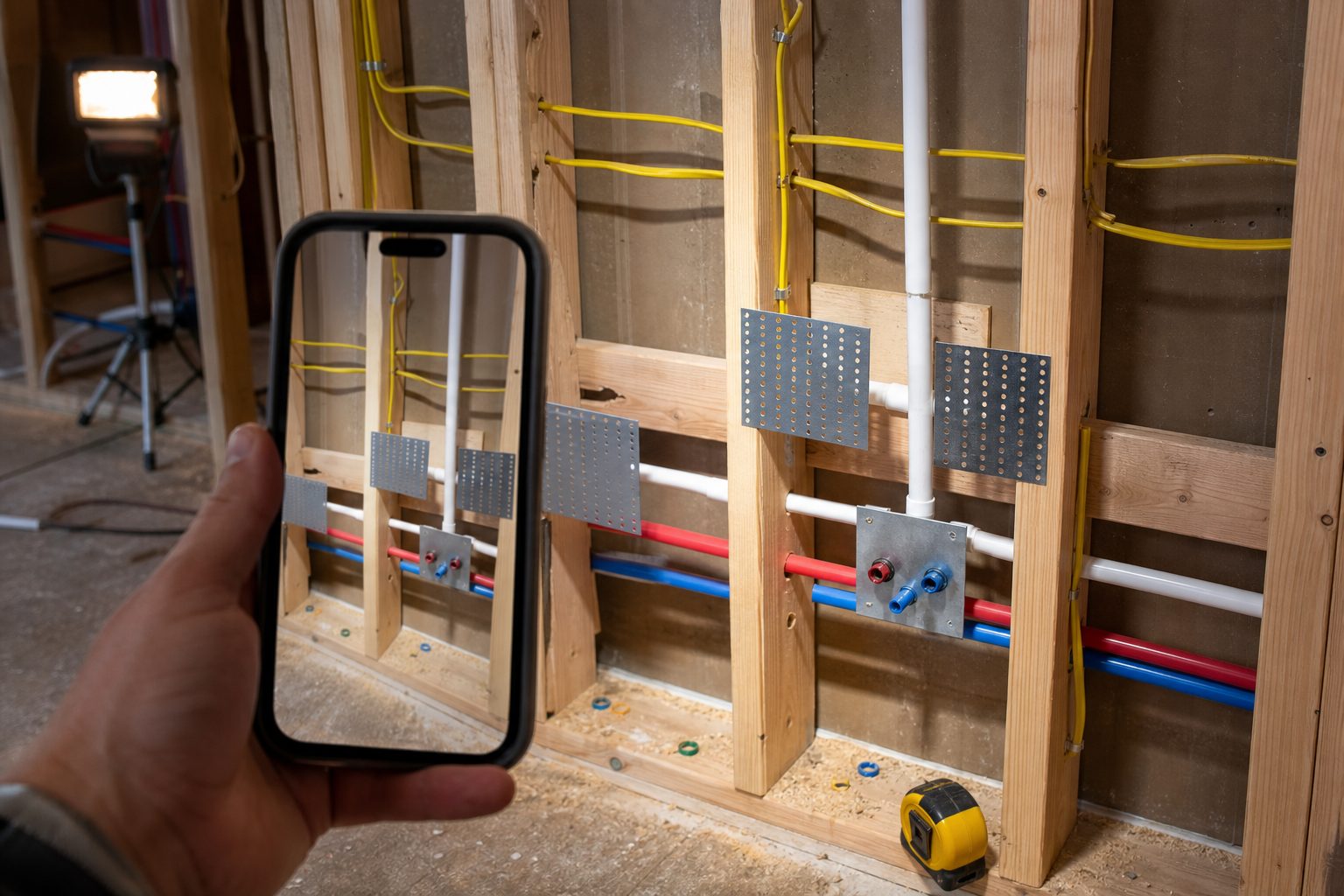
Photos are some of the most important evidence. Investigators look for before, during, and after shots. Dated photos that clearly show completed stages, code-related details, and any problems encountered are more valuable than generic pictures. A lack of photos leaves the contractor relying only on written statements, which are harder to verify. Some boards accept digital albums, but they may require an affidavit that the photos are authentic and unaltered.
Payment records and change orders
Investigators want a payment history: deposit receipts, progress invoices, and final payment records. They cross-check these with the contract to see if the payment schedule was followed. Change orders are another pain point. Boards expect signed, dated change orders for any extra work or materials. If the scope shifted without documentation, the board may side with the homeowner's claim that work was unfinished or overbilled.
Citation, correction order, and the appeal path
The citation process
If the board finds a violation, they issue a citation. This letter explains the specific law or code section broken, the facts supporting the finding, and the consequences. Consequences may include a fine, an order to fix the work, or, in severe cases, license suspension. Contractors usually have 15 to 30 days to comply or contest the citation.
Correction orders
Most citations for workmanship come with a correction order. This requires the contractor to repair, replace, or finish the work to code. The board sets a deadline, often 30 days. The contractor submits proof of correction: photos, permits, and sometimes a signed statement from the homeowner. If the contractor does not comply, the board may escalate to suspension or refer the matter to a prosecutor for unlicensed activity.
Appealing a citation
Contractors can appeal. This involves filing a written notice and, in some states, paying a fee. An administrative hearing is scheduled where both sides present evidence before a hearing officer or panel. Contractors who keep a clear file and provide persuasive evidence have a better chance. Outcomes range from full dismissal to a reduced penalty or, in rare cases, upholding the citation with all penalties intact.
See how ToolboxProof handles this for residential contracting and remodeling
Arbitration programs and state recovery or guaranty funds
State-sponsored arbitration
Some states offer formal arbitration for certain disputes. Arbitration is less formal than court but more structured than mediation. The board assigns an independent arbitrator with construction experience. Each side submits documents and makes their case. The arbitrator's decision is binding in many states, although either party can sometimes challenge it in court.
Arbitration is usually limited to smaller dollar amounts: often projects under a certain threshold set by state law. Contractors who agree to arbitration may avoid a public record of a citation, but must accept the terms set by the arbitrator. These awards often include directions for repairs, refunds, or both.
Recovery or guaranty funds
Most states operate a recovery fund or guaranty fund for homeowners harmed by licensed contractors who cannot or will not pay. If a contractor loses their license, declares bankruptcy, or disappears, homeowners sometimes apply to these funds for restitution. The process requires proof that the board issued a citation or judgment against the contractor and that all other collection methods failed. Payments from recovery funds are capped, often limited to direct damages and not lost profits or punitive claims. The fund is a last resort, but it can be a lifeline for homeowners and a caution for contractors to settle disputes early.
What a complete job file changes about the outcome
At every stage of a board complaint, paperwork decides the story. Investigators and mediators cannot read minds. They rely on contracts, permits, dated photos, signed change orders, and payment records to separate facts from finger-pointing. Contractors with a full file, clear contracts, organized photo sets, documented changes, and communication logs, rarely lose cases based on missing evidence. Even when mistakes happen, a solid paper trail can reduce penalties and keep a complaint off the public record.
Boards increasingly expect digital records. Contractors who capture jobsite photos in real time, organize them by project, and generate before-and-after reports for clients can respond faster and with more credibility. Tools that automate photo capture and client sign-off help build a defense before trouble starts, saving time and limiting risk when a complaint reaches the board.