Where the risk sits in each structure
Every contract type in remodeling shifts financial risk between contractor and client. The core question is simple: who pays if things cost more than planned? The answer changes based on the contract structure chosen at the start of the job.
Fixed price puts most of the risk on the contractor. If costs run high, the builder eats the loss unless the scope changes. With cost plus a fee, the client shoulders the surprise costs, paying for actual materials and labor plus an agreed contractor markup. Not to exceed, often called a guaranteed maximum price, splits the risk. The client pays actual costs up to a ceiling, but any overage past the cap comes out of the contractor's pocket.
It is critical to understand these differences before signing, as the choice can shape how surprises, mistakes, and extra work are handled. Each structure also affects how you approach change orders, allowances, and daily documentation.
Keep reading: Eight Scope Gaps That Turn a Bathroom Remodel Bid Into a Loss
Fixed price: when a complete scope makes it safe
In a fixed price contract, the total cost for the project is agreed before work begins. The contractor takes on the responsibility for estimating, planning, and executing the full scope of work within that amount. Unless the owner adds or removes work, the price does not change.
This structure makes sense when plans are clear and the scope is well defined. If all drawings, selections, and product specs are complete, a fixed price lets the owner know exactly what they will pay. For the contractor, profit depends on how well the job is managed and how accurate the estimate was. If things go smoothly, the margin holds. If there are hidden problems or price spikes in materials, the contractor covers those costs unless the contract allows for escalation clauses.
When fixed price works best
Fixed price contracts fit kitchen remodels, bathroom upgrades, or additions where demolition is limited and most variables are known. This approach also works on new construction or repeatable work where the contractor has experience and knows what to expect. On jobs with good drawings and few unknowns, it is easier to price risk into the bid or decline the project if there are too many red flags.
Pitfalls to watch for
On older homes, or projects with little information about existing conditions, a fixed price can bite the contractor. If you guess wrong about what is behind a wall or under a floor, your margin disappears. That is why smart contractors either add a healthy contingency to their bid or insist on well-documented plans before locking in a price.
Cost plus a fee: the open book duties you take on
Cost plus contracts bill the client for actual costs, labor, materials, subcontracts, plus a set fee, often a percentage of those costs or a fixed lump sum. This puts the risk of overruns on the owner, but it makes the contractor responsible for documenting every expense and justifying all charges.
The open book promise
Clients expect visibility into every dollar spent. That means you must provide receipts, timesheets, supplier invoices, and a running tally of project costs. Many contractors use accounting software or spreadsheets, but the paperwork load is real. If the client disputes an item, it helps to have clear, organized records ready for review.
When cost plus fits best
This approach works in two main situations. First, when the project scope is unclear, think full gut renovations or jobs where surprises are likely. Second, when the owner wants flexibility to make changes as the work progresses. Since the final price is unknown, the contractor is protected from eating the cost of unknowns, but the client needs to trust your process and reporting.
Risks for both parties
Clients may worry about contractors having no incentive to control costs. To manage this, some add a not to exceed clause or require frequent updates. For the contractor, the challenge is keeping up with the documentation and making sure every expense is legitimate and traceable.
Keep reading: Anatomy of a License Board Complaint, From Phone Call to Citation
Not to exceed and guaranteed maximum price
Not to exceed contracts, sometimes called guaranteed maximum price (GMP), combine features of fixed price and cost plus. The client agrees to pay the contractor's actual costs, plus a fee, but up to a set ceiling. If costs come in under that ceiling, the client pays less. If costs run over, the contractor covers the excess unless the overage is due to owner changes or uncontrollable circumstances defined in the contract.
This structure provides owners with a sense of security, knowing the final bill cannot go past a certain limit. Contractors still need to track actual costs, but the cap limits the owner's exposure. Often, these contracts include a shared savings clause: if the job finishes under budget, the contractor and client split the savings based on a negotiated formula.
When to use a not to exceed contract
GMP contracts are common on larger or more complex projects, such as whole house remodels, historic renovations, or jobs where detailed plans are not finalized. They also appeal to clients who want the transparency of cost plus but are anxious about runaway costs. Contractors need to estimate carefully and define what costs are included, since disputes often arise over what counts toward the cap.
Defining the cap
It's vital to spell out in writing how the cap is calculated. List what is included and what is excluded, such as owner upgrades, scope expansions, or force majeure items. If there are allowances for finishes or appliances, clarify how those are handled if the client selects higher end items mid job.
Allowances and unit prices inside a fixed bid
Even in a fixed price contract, not every detail can be known on day one. Allowances fill this gap. These are set dollar amounts in the bid for items not yet selected, like tile, light fixtures, or flooring. If the client picks something pricier than the allowance, they pay the difference. If they choose less expensive options, they get a credit.
How allowances function
Allowances keep the project moving when a client can't make every choice before signing. The contractor estimates a fair value, and both parties agree to adjust the price once selections are made. This approach keeps the contract flexible but can lead to friction if the allowance is set too low or the client expects more for the budgeted amount.
Unit prices for unknown quantities
Some contracts include unit pricing for work that depends on actual conditions, such as replacing rotten framing "as needed" or adding square footage of drywall repair. The contract lists a price per unit, per foot, per square, per item, so if more or less is required, the price adjusts automatically. This protects both parties when the scope can't be nailed down at bid time.
See how ToolboxProof handles this for residential contracting and remodeling
Which structure fits gut renovations and unknown conditions
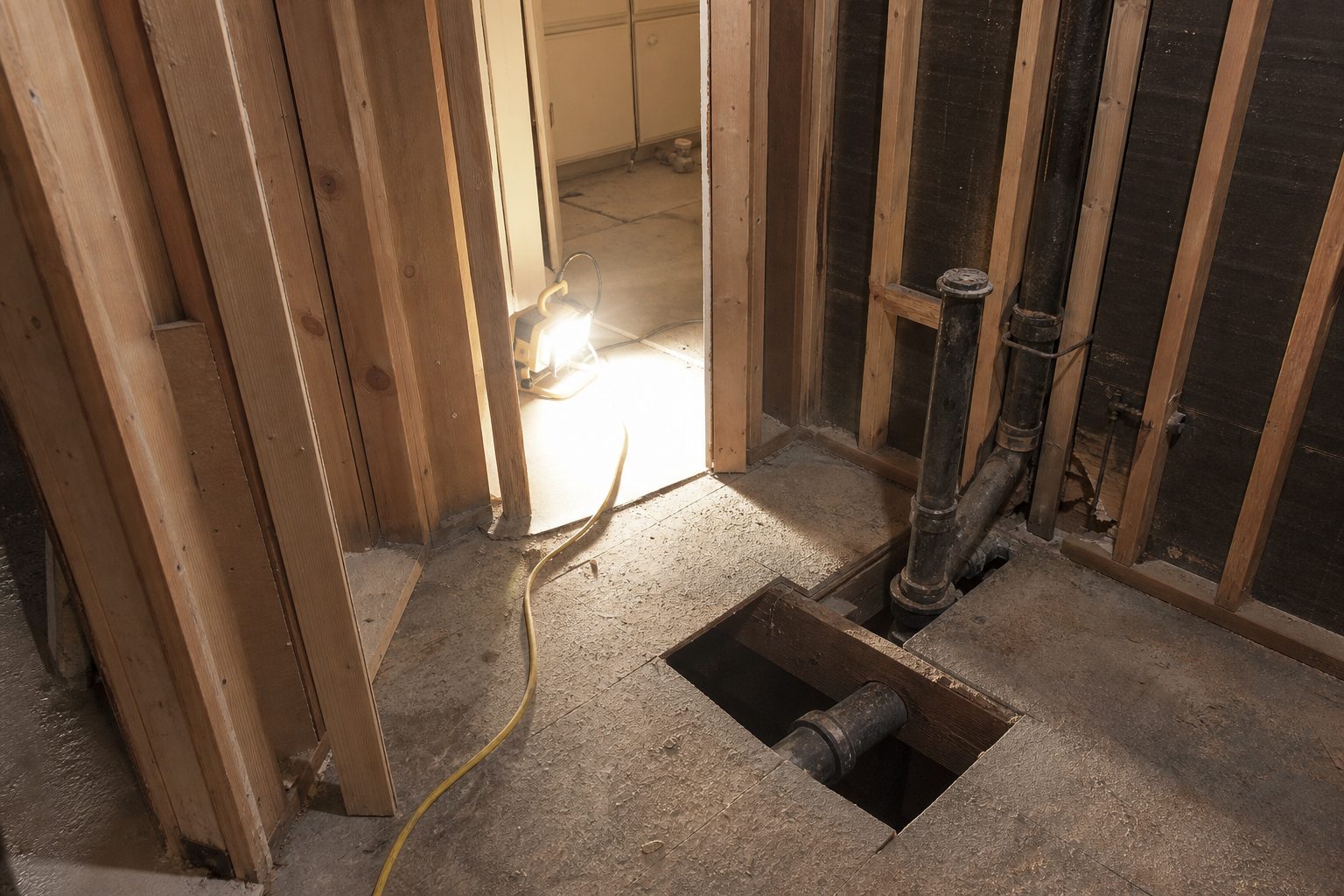
Jobs with major demolition, structural repairs, or work in old homes often carry the most risk for hidden conditions. Mold, outdated wiring, termite damage, or poor previous work can all surface after demo. The best contract structure in these situations depends on how much is truly unknown going in.
Cost plus a fee or not to exceed contracts are more common for gut renovations. These allow work to begin while keeping the owner on board with surprises as they come up. The contractor is paid for actual issues found, not forced to guess at worst-case scenarios during bidding. GMP contracts add the benefit of a cap, which helps owners sleep at night.
Using fixed price in these cases can work only if adequate contingencies or unit prices are built into the bid. Otherwise, you risk either overpricing and losing the job, or underbidding and working at a loss.
In practice, many contractors blend approaches: a fixed price for demo and discovery, then a change order or cost plus for uncovered issues. The key is setting expectations and documenting the process from day one.
What each structure demands from your daily record keeping
Documentation requirements vary by contract type, but each structure puts a spotlight on different aspects of record keeping. Good documentation is not just about covering yourself; it speeds up billing, avoids disputes, and keeps jobs running smoother.
Fixed price: tracking scope and changes
For fixed price work, the main risk is scope creep. Document all owner requests, clarifications, and changes. Change orders should be in writing and signed before work proceeds. Daily job logs and photos help confirm what was done and when, especially if an owner questions progress or quality. Keeping receipts is less critical since you are not billing actual costs, but they help if you need to justify a change order.
Cost plus and GMP: tracking every dollar
Cost plus and not to exceed contracts require a paper trail for every expenditure. Keep organized files of invoices, receipts, payroll records, and sub bills. Many owners want to see weekly or monthly reports, with supporting documents attached. If you cannot show where the money went, you risk nonpayment or a dispute. Jobsite photos can also back up time and material used, especially for hidden work.
Unit prices and allowances: documenting quantities
When using unit prices, record how many units were installed and by whom. Track time spent and materials used for allowance items. Taking before and after photos, keeping delivery tickets, and noting selections made all help if questions arise about what was included or delivered.
Changing structures mid job without unwinding the contract
Sometimes, surprises force a rethink mid project. Maybe demolition reveals major structural issues, or the client wants extensive changes not covered in the original deal. Switching contract structures during a job is tricky but can be done with clear communication and written agreement.
The key is to document the reason for the change, the new terms, and how the transition will work. For example, a job might start as fixed price and shift to cost plus for a new phase after hidden damage is found. Both parties should sign a contract addendum spelling out which work is now cost plus, what markup applies, and how billing will be handled going forward.
It is also important to clarify how allowances, unit prices, and any existing change orders will be treated under the new terms. Failing to update the paperwork can lead to billing confusion and disputes at project closeout.
Good record keeping and clear documentation make these transitions smoother. When both contractor and client can see what changed and why, trust is preserved and the project moves forward.
Managing risk, tracking costs, and keeping all sides informed takes discipline and reliable systems. Tools that capture daily progress, such as jobsite photos with automatic before and after reports, and client sign off, add an extra layer of protection and transparency for every contract structure.